Feature
Feature
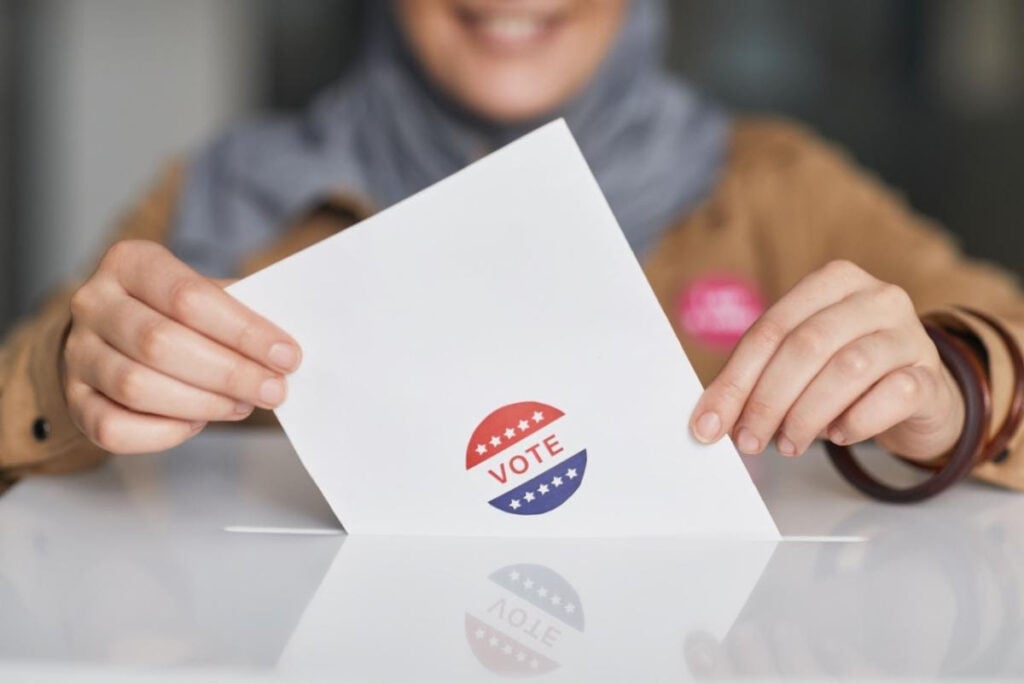
“The vote is the most powerful instrument ever devised by human beings for breaking down injustice and destroying the terrible walls which imprison people because they are different from others.”
― President Lyndon B. Johnson, U.S. president 1963-1969
A series of recent court decisions, proposed redistricting efforts and warnings from civil rights leaders are setting off alarm bells across the country about the future of voting rights and equitable political representation in American communities.
At the center of the debate is a major U.S. Supreme Court ruling that weakened key protections under the Voting Rights Act, allowing states to redraw congressional maps in ways critics say could dilute the voting power of Black people and ethnic minorities, reshaping Congress for years to come. This perplexing decision seems to counter the concept of protecting the vote of all citizens.
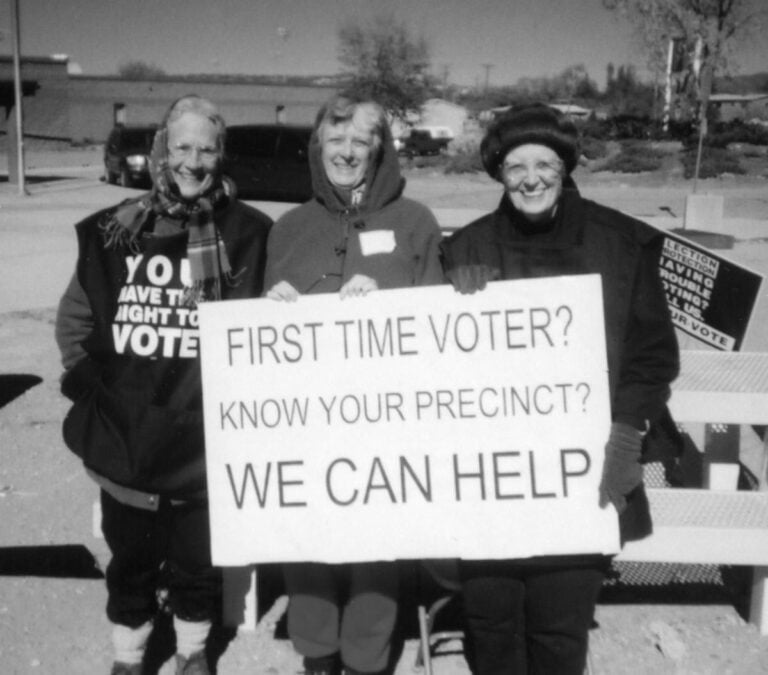
The U.S. Constitution guarantees the right to vote in our democracy. Citizens have an obligation to exercise this right and responsibility in order to guide government decisions from local to national levels.
What guides our values that shape decisions in voting? If we consider “the web of life” we realize that what we do to any part of the web we do to ourselves. We may begin with reflections on the state of the planet and the relationship between the health of Earth and human life. Climate change and global warming are critical issues that impact life on Earth and we might consider the political actions that affect issues like the use of fossil fuel, fracking, pipelines and water quality when deciding how to vote.
Consider human rights as a guide for voting. In 1947 Eleanor Roosevelt was the chairperson of the U.N. Commission on Human Rights. The U.N. Universal Declaration on Human Rights might be used as a guide to consider issues of migration and refugee status as we examine political positions on immigration in the U.S. This document challenges many issues of injustice in the U.S. today including rights to asylum, arbitrary arrest and cruel or degrading treatment.
Catholic social teaching offers principles for the dignity of the person, social and economic values, the rights of workers, love of neighbor in a global context and stewardship of creation. The principles provide a tool for evaluation of political positions that are reflected in candidates’ beliefs and issues.
Voting by personal values requires serious reflection. Let us consider the common good as the priority and realize that what is good for the whole will also be good for the individual.
In our concern for issues of human rights from immigration to prison to health care and housing, or the global concerns for Earth, war and poverty we must look beyond personal comfort and security. If we care about children, and even allow ourselves to look to the seventh generation, we must vote with vision for the web of life and the common good.
(Article shared with permission from the Loretto Peace Committee Newsletter)