Feature

Feature
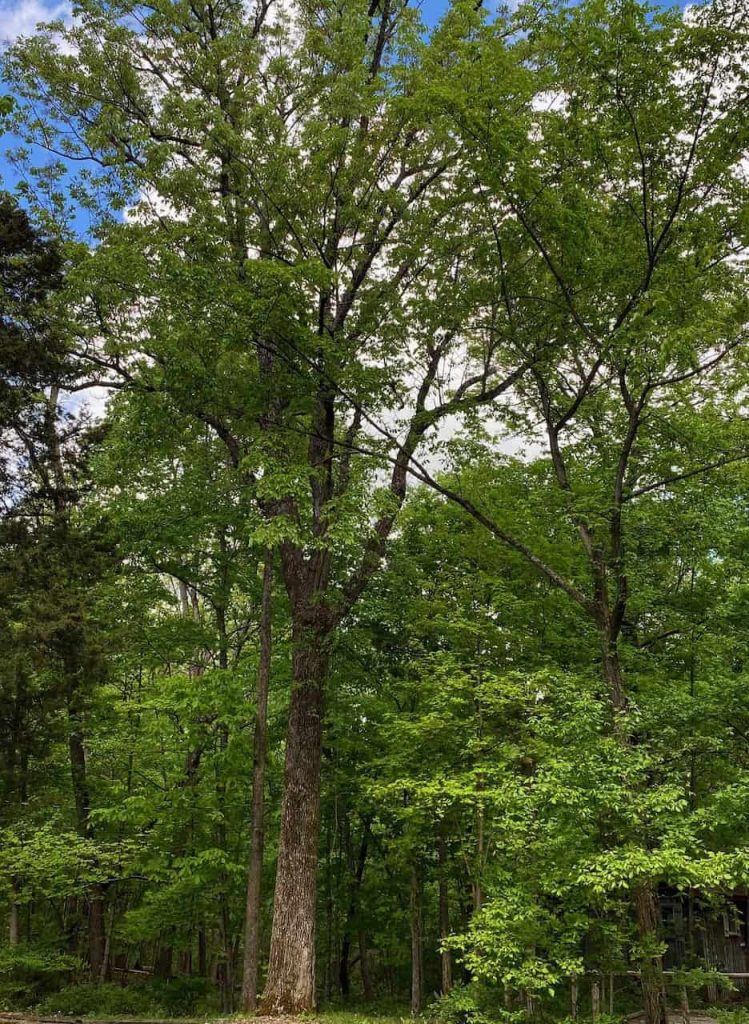
Did you ever spot a Kentucky warbler or a yellow-breasted chat? They fly freely in the Loretto Motherhouse forests. They are neotropical migratory birds protected under the Migratory Bird Treaty Act of 1918.
Neotropical migratory birds serve as an early warning system for alterations in ecosystems and their functions. Many neotropical songbird populations are declining because of environmental damage and the loss of deep interior forests, which are necessary for the birds to breed. The Motherhouse farm is blessed with large tracts of deep interior forests. Large forest tracts are unusual on private lands because of environmental harm and forest fragmentation.
The Motherhouse is in the Central Hardwoods Bird Conservation Region. We are located on the Mississippi Alluvial Valley bird flyway, and we are close to the Atlantic flyway. About 200 species of neotropical birds have been spotted in Kentucky.
Of the hundreds of birds on the Smithsonian Institution’s conservation list of neotropical migratory birds, the following have been spotted in the Motherhouse forests: red-headed woodpecker, wood thrush, Kentucky warbler, American kestrel, Northern bobwhite, yellow-breasted chat and the chipping sparrow. The birds on the Kentucky conservation list that have been spotted are blue-gray gnatcatcher, Eastern kingbird, indigo bunting, purple martin, scarlet tanager, summer tanager and the wood thrush.
Our oak-hickory central hardwood forests are precious ecosystems that provide breeding grounds and abundant food for all these neotropical migratory birds. We are mindful of our Loretto Land Ethic as we preserve these deep interior forests. We are faithful to our mission to preserve the forests and care for the plants, birds and animals that live in this ecosystem with us.
This is an excerpt from an article that appeared in Loretto’s internal newsletter in May 2018.
And so it happened: God created
the great sea creatures
and every living creature that moves …
and all kinds of winged birds;
and God saw that it was good.
God blessed them, saying,
‘Be fertile, multiply
and fill the water of the seas;
and let the birds multiply on the earth.’
Genesis 1:21-22
In 2019, a study with results called “staggering” by scientists was published in Science magazine showing a precipitous decline in bird populations in North America: 2.9 billion breeding adults lost since 1970. A 2025 study shows the alarming decline continuing. Primary causes are habitat loss, environmental degradation and extreme weather events.
Help birds by: making windows safer, day and night; keeping cats indoors; reducing lawn by adding native plantings; avoiding use of pesticides; drinking coffee that’s grown in shade; reducing use of plastics; growing your love of birds by watching and sharing with others.
The study information and suggestions are from Cornell Lab of Ornithology.
To read all of the articles in the summer 2025 issue click here.