Feature
Feature
‘The history of enslavement by Catholic bishops and clergy, by religious communities and by large swaths of the Catholic laity from 1619 through the Civil War is not well known and ought to be.’
Eleanor Craig SL, CARA award ceremony, Nov. 13, 2025
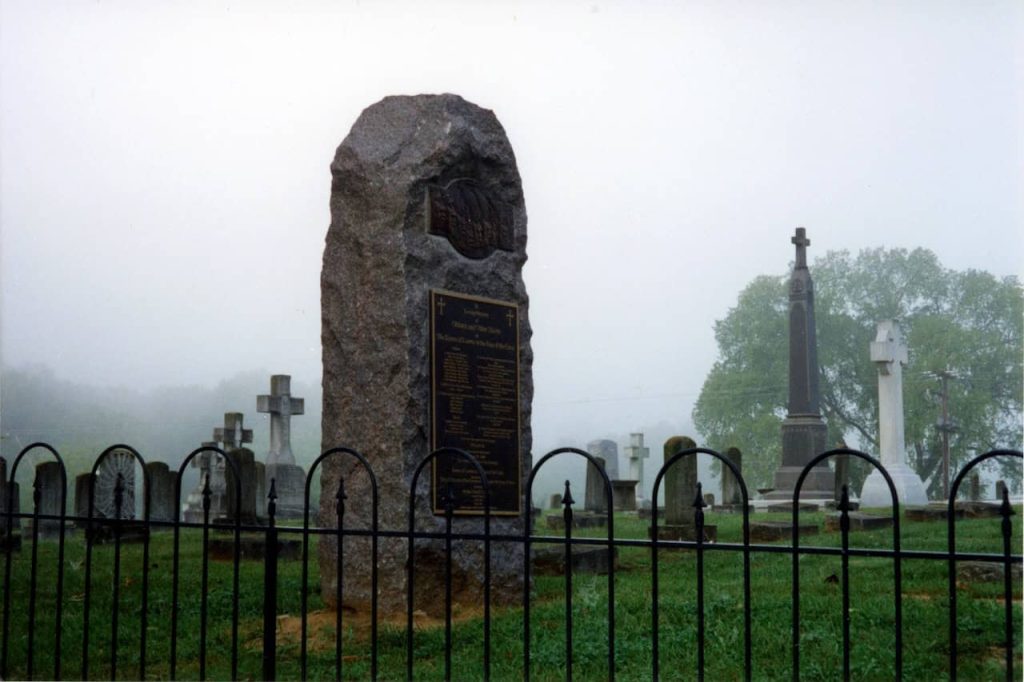
Between 1812 and 1865, the Sisters of Loretto received, purchased, enslaved and sold individuals of African descent, selling a man named Tom for $200 to finance the purchase of the Sisters’ first land. Loretto benefited from the free labor of perhaps 150-200 persons, in at least 20 locations in four states by 1860. To date, thanks to the research of Community members, especially Joan Campbell SL and Annie Stevens CoL, we know the names of about 80 specific individuals and something about their family relationships. We cannot, however, begin to know the depth and breadth of their contributions to Loretto’s mission or the harms they experienced in bondage and through generations that followed.
The Sisters of Loretto were recently honored by a national Catholic research organization, the Center for Applied Research in the Apostolate (CARA) for telling the truth. The Nov. 13 recognition ceremony, held at Georgetown University, in Washington, D.C., also included Sisters of Charity of Nazareth and Dominican Sisters of Peace. CARA recognized the three communities for careful historical research and honest acknowledgment of slaveholding in which each order was engaged from 1812 to 1865.

The 2025 award came during a Jubilee year, the Church’s time to repent the exploitation and mistreatment of the poor, to make restitution and to ask forgiveness. The award recognizes the three communities’ concrete actions during an earlier Jubilee year, the year 2000, when Loretto, the Sisters of Charity and the Dominicans came together with their Black neighbors at the original Catholic cathedral of Kentucky in Bardstown. In a ceremony acknowledging that each order had systematically benefited from the enslaved labor of individuals of African descent, the Sisters asked forgiveness of their Black neighbors and promised “to resist the sin of racism in every dimension of our lives.” CARA officials praised the Sisters’ persistence since 2000 in a quarter-century of seeking racial healing by continuing to search for the names of each enslaved person and their living descendants.
Any reader of this article is bound to ask, why is it so unfamiliar? Why haven’t we known and always regretted this Loretto history and sought ways to make it right? Why, indeed, would a professional research institute like CARA find it remarkable that Loretto and the Sisters of Charity and the Dominicans researched and acknowledged this history in 2000, 175 years after it began, 125 years from its ending? How does it happen that three religious orders — each notable for unstinting work for social justice and the highest standards as educators — have only so recently acknowledged their practice of slavery and recognized their share in the multi-generational harm that continues to our own times? Excuses are all too easy and real answers are hard to come by.
One thing we Loretto Sisters know: We must measure the depth and breadth of racial ills by the length of time it has taken us to see our share in its most extreme form.
Eleanor Craig SL serves as Loretto Community’s historian. She served as director of the Loretto Heritage Center Archives and Museum at Loretto Motherhouse in Nerinx, Ky., from 2012 to 2020.
Read all of the articles in the winter 2026 issue of Loretto Magazine here.